 temp mail
· 3 min read
Best Temp Mail Service [2026]: What Actually Matters Now
The best temp mail service in 2026 isn’t just about disposable addresses. Speed, reliability, domain flexibility, and mobile UX now matter more than ever.
Best Temp Mail Service in 2026 (Quick Reality Check)
If you’re searching for the best temp mail service, you’re probably trying to do one thing fast:
Receive a verification email without using your real inbox.
In 2026, that sounds simple, but many temporary email tools fail at the exact moment you need them. Domains get blocked. Emails arrive late. Mobile inboxes become unreadable.
The “best” service is no longer about novelty. It’s about execution under pressure.
What Defines the Best Temp Mail Service Today
Temporary email has changed. Spam-heavy websites, stricter verification flows, and mobile-first signups mean old criteria no longer apply.
Here’s what actually separates a good service from a frustrating one.
1. Verification Email Speed (Non-Negotiable)
One-time passwords and confirmation links often expire within minutes.
A top-tier temp mail service must:
- Deliver emails in seconds
- Update inboxes in real time
- Avoid refresh-heavy workflows
If verification is delayed, the service has already failed.
2. Domain Flexibility (Because Blocks Are Normal)
Disposable email domains get blocked constantly.
The best services:
- Offer multiple active domains
- Let you regenerate instantly
- Don’t lock you into a single address
Domain rotation isn’t a bonus feature anymore. It’s survival.
3. Clean Inbox Experience (Especially on Mobile)
Many temp mail tools collapse under ads, popups, or cluttered UIs.
A good inbox should:
- Show the latest message immediately
- Make links and codes easy to copy
- Stay readable on small screens
If you’re squinting or scrolling through ads, you’re losing time.
4. Mobile-First Performance
Most account creation now happens on phones.
That means the best temp mail service in 2026:
- Loads instantly on mobile
- Works smoothly inside app-based signups
- Doesn’t rely on desktop-style layouts
Native apps consistently outperform mobile websites here.
5. Transparent Expiration Rules
Temporary means temporary.
The best services clearly explain:
- How long inboxes last
- When messages are deleted
- What cannot be recovered
Ambiguity around expiration causes lost accounts and broken workflows.
Web Tools vs Mobile Apps: The Real Difference
Web-based temp mail tools work fine for casual desktop use. But on mobile, they often struggle with:
- Slow loading
- Aggressive ads
- Accidental refreshes that lose inbox state
A dedicated mobile app avoids these problems entirely.
Temp Mail for iOS: Built for Speed, Not Noise
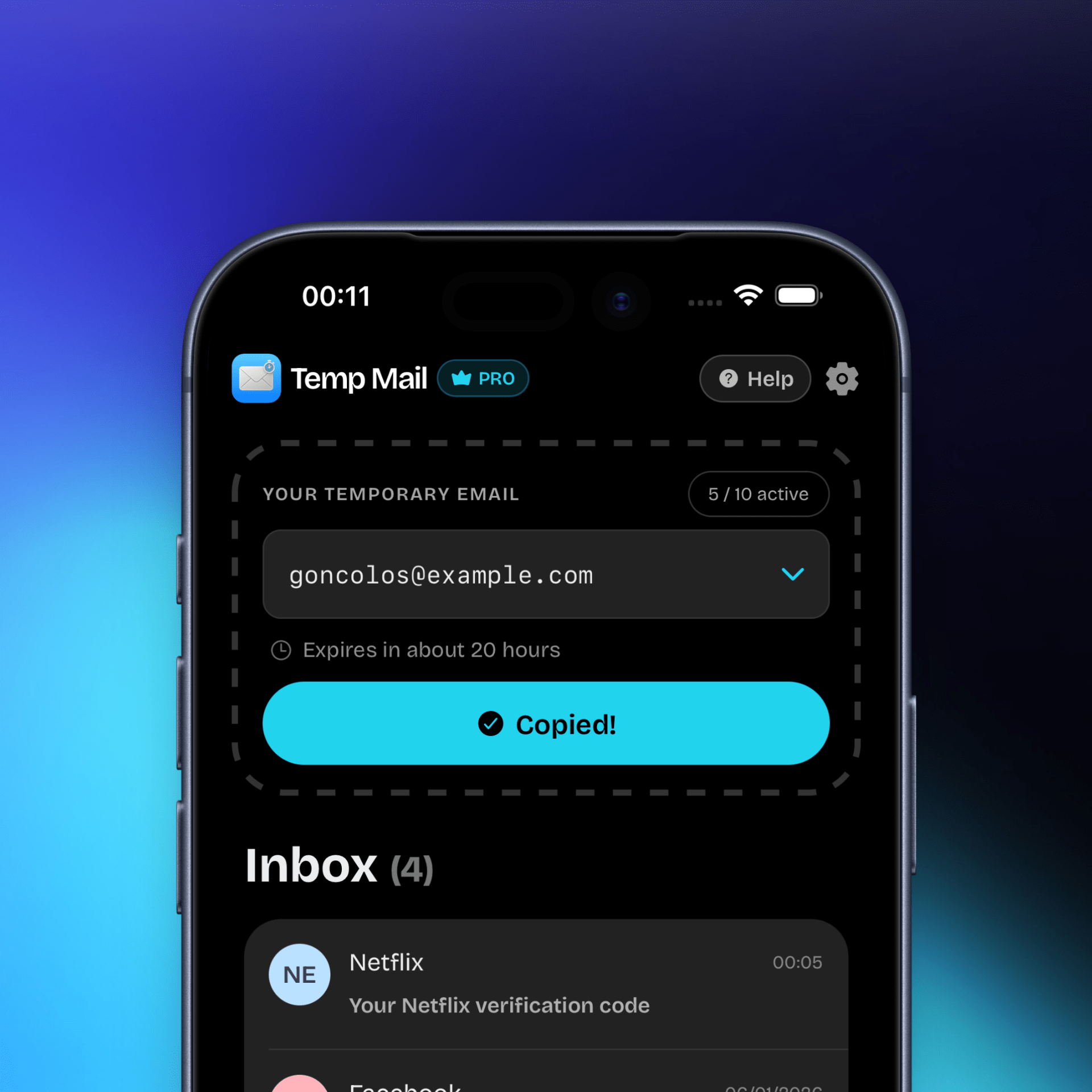
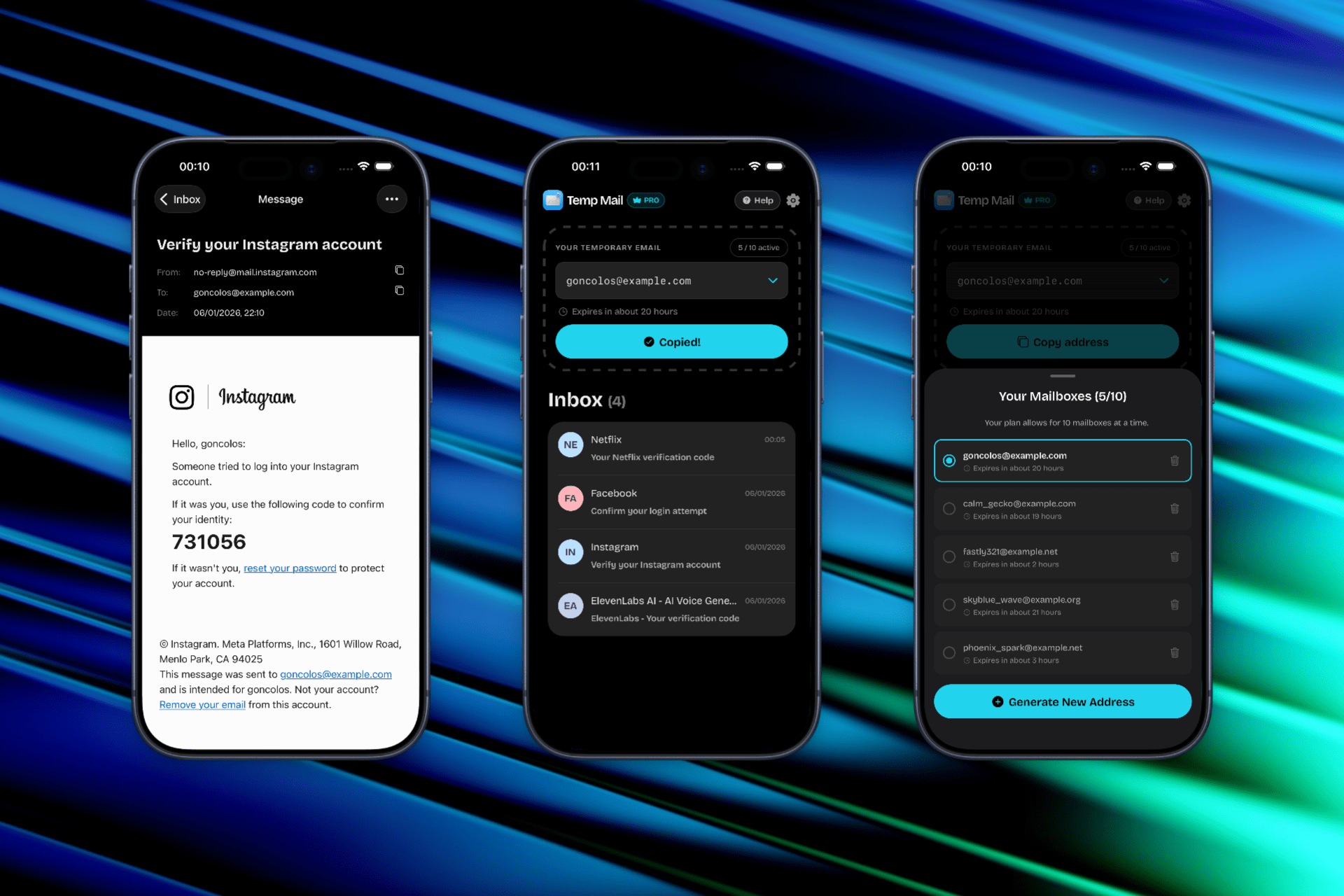
Temp Mail for iOS focuses on the exact moments where other tools fail.
It’s designed to help you:
- Generate a disposable inbox instantly
- Receive verification emails in real time
- Copy codes and links without friction
- Switch domains quickly if one is blocked
🔗 Download on the App Store:
Temp Mail – Disposable Mailbox
No accounts. No inbox clutter. No long-term commitment.
When a Temp Mail Service Is Not the Right Choice
Even the best service has limits.
Avoid using temporary email if:
- You need long-term account recovery
- The account controls payments or ads
- You’ll need access months later
For permanent accounts, disposable email is best used only during signup, then replaced.
Final Verdict
The best temp mail service in 2026 is the one that:
- Delivers verification emails instantly
- Survives domain blocks
- Works flawlessly on mobile
- Makes expiration rules obvious
Everything else is marketing.
Use temporary email intentionally, move fast, and don’t rely on it for accounts you can’t afford to lose.